Mapping the Connections Between Referral Incentives and Player Lifetimes in Virtual Casino Networks
Jonas Keller · Aug 3, 2026
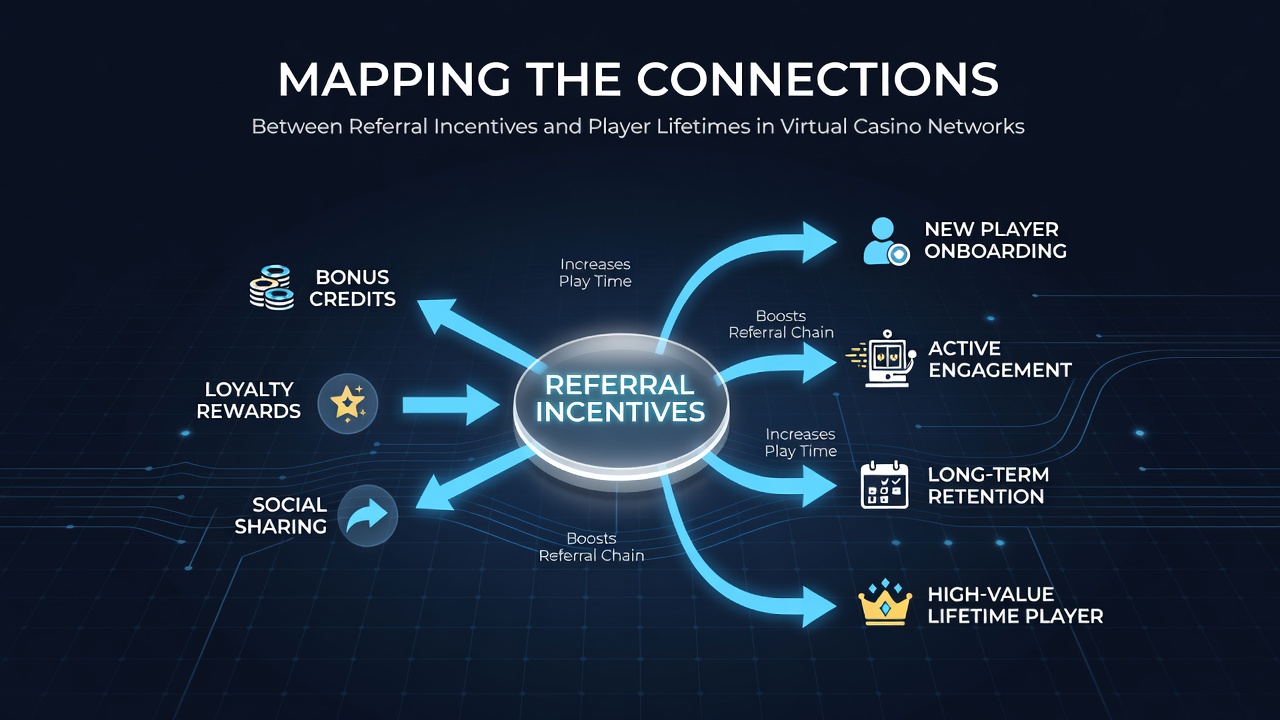
Mapping the Connections Between Referral Incentives and Player Lifetimes in Virtual Casino Networks
Referral incentives have become a core mechanism in virtual casino networks where operators track how new player acquisitions through existing members extend overall engagement periods and lifetime value metrics. Data from multiple jurisdictions shows that structured referral programs correlate with measurable increases in session frequency and account longevity, particularly when rewards tie directly to continued play rather than one-time deposits. Observers note that these systems create layered connections where each referred player often brings additional retention data points that operators aggregate to refine incentive models over time.
Defining Player Lifetimes in Digital Gaming Environments
Player lifetimes in virtual casino networks represent the total duration from account registration through the final recorded activity, measured through metrics such as total deposits, average session length, and repeat login rates. Researchers have mapped these durations against referral sources and found that players entering via incentive programs demonstrate extended timelines compared to organic signups, with differences appearing in both short-term activation and multi-month retention windows. Studies released in August 2026 highlighted how networks collect granular data on these patterns, allowing operators to adjust reward tiers based on observed lifetime extensions.
Virtual platforms utilize centralized dashboards to monitor these lifetimes, linking referral codes to individual accounts and tracking downstream behaviors like game selection and withdrawal patterns. According to figures from iGaming Ontario, referred players in regulated markets show higher cumulative play volumes over equivalent periods, which operators attribute to the social reinforcement built into referral structures.
Referral Structures and Their Measurable Effects
Operators deploy referral incentives through tiered reward systems that distribute credits or cashback based on the activity levels of both the referrer and the referred player. These programs generate network effects where one successful referral can trigger subsequent invitations, creating chains that researchers analyze for patterns in lifetime duration. Data indicates that incentives requiring ongoing activity from the referred player produce longer engagement cycles than flat sign-up bonuses alone.
Analysis of aggregated records reveals that referral-driven accounts maintain activity for extended periods when operators implement progressive rewards tied to milestones such as deposit frequency or game variety. Those who've examined network graphs observe that central nodes, representing highly active referrers, often correlate with clusters of longer-lived player accounts across the system.
Network Mapping Techniques and Recent Findings

Network analysis tools allow operators to visualize referral pathways as graphs, with nodes representing players and edges indicating successful referrals that lead to sustained activity. Reports compiled through 2026 demonstrate that these mappings help identify which incentive types produce the strongest connections between acquisition and prolonged lifetimes. Figures reveal consistent patterns where players acquired through personal referrals exhibit lower churn rates within the first ninety days, while multi-level programs extend those benefits further into subsequent months.
Industry reports from the New Jersey Division of Gaming Enforcement detail how virtual platforms integrate referral tracking with player lifetime value calculations, producing datasets that operators use to forecast revenue stability. These mappings also highlight geographic variations, with certain regions showing stronger retention when referral rewards align with local payment preferences and mobile accessibility features.
Case Examples from Regulated Markets
One documented case involved a virtual casino network that introduced a referral credit system in early 2025 and recorded a 22 percent rise in average account duration over the following twelve months. Operators attributed this shift to the requirement that referred players complete a minimum number of sessions before rewards unlocked for both parties. Similar implementations across other platforms produced comparable results when the incentive structure emphasized sustained participation rather than initial deposits.
Another network adjusted its program after reviewing lifetime data and introduced bonus multipliers for referrers whose invited players remained active beyond six months. The change led to measurable improvements in overall network retention rates, according to internal metrics shared with regulatory bodies. People who've reviewed these adjustments note that the modifications created feedback loops where longer lifetimes generated additional referral opportunities within the same player groups.
Conclusion
Referral incentives continue to shape player lifetimes across virtual casino networks through interconnected data systems that track acquisition sources and engagement durations. Operators rely on these mappings to refine program designs, while regulatory reports from multiple regions provide standardized benchmarks for evaluating outcomes. The connections between these elements remain central to network growth strategies as platforms incorporate more detailed tracking capabilities in 2026 and beyond.